organic land care
Eat My Shrubs
Organic Urban Land Care
The name Eat My Shrubs comes from the idea that we can plant beautiful gardens that are edible!
Growing food does not have to be in a rectangular, tilled, row garden. The best gardens are interplanted species of polycultures.
This is because some plants are only there to benefit the plants that we really want. They may attract beneficial insects, or fool herbaceous animals away from other plants. This is achieved without harmful chemicals. Practices that destroy (what we now have come to realize is) the delicate balance of life in the soil, can also be a thing of the past.
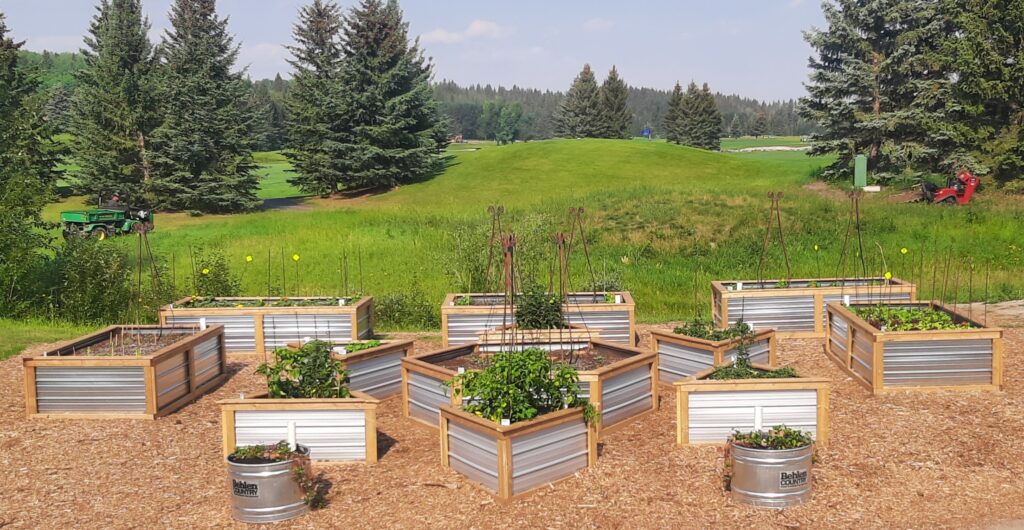
Raised Beds
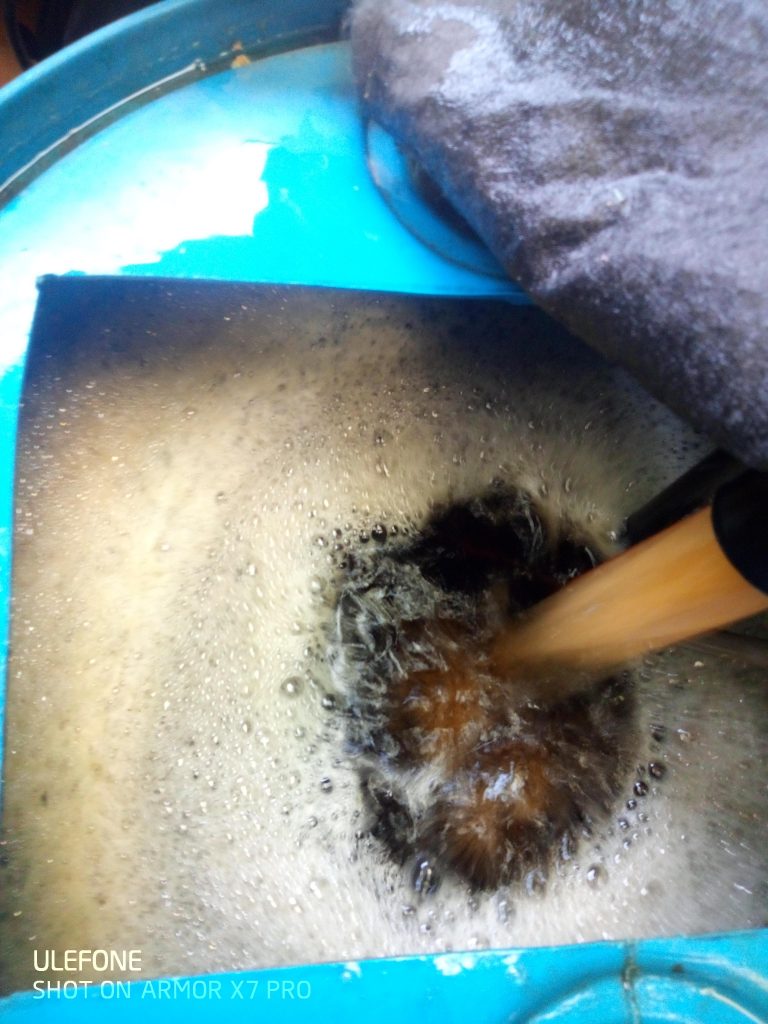
Compost Tea
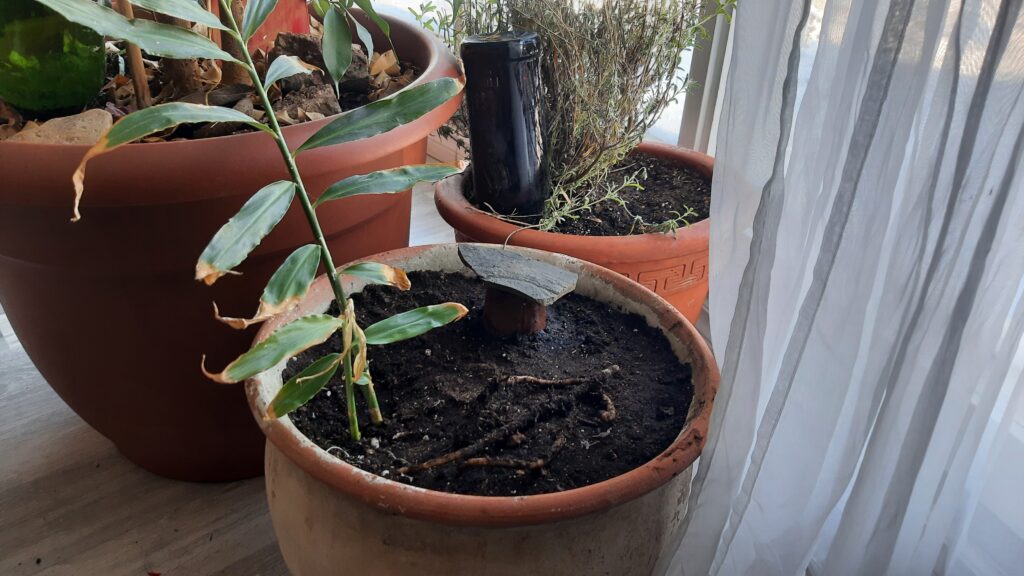
Olla Bowls
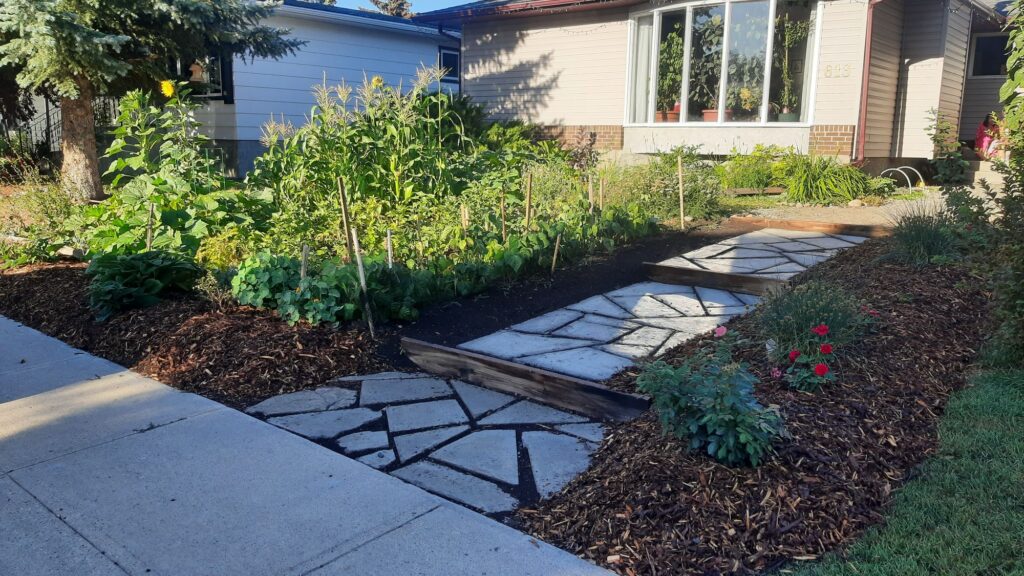
Organic Urban Agriculture
Wicking Beds
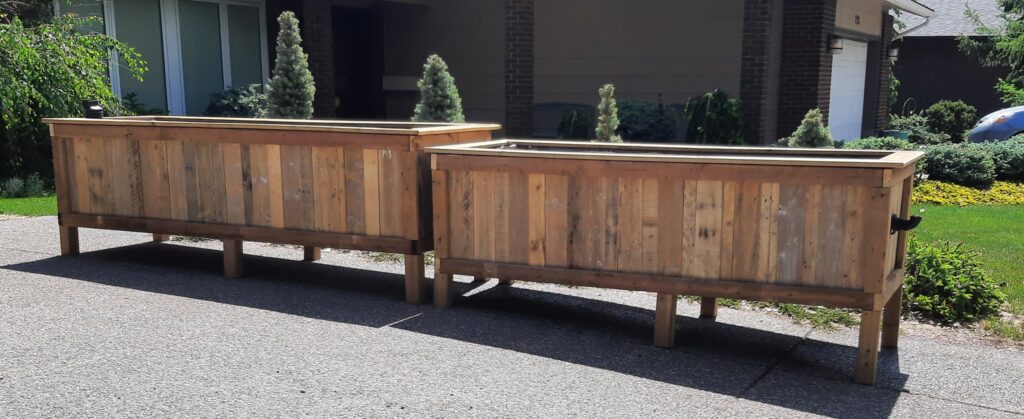
Spending time outside on your property, no matter the size or setting, has a positive effect on your health and well being. Choosing to practice organic land care is not only important if your growing food. Ornamental gardens, meant to be a relaxing setting, can be anything but. Especially if your are spraying chemicals everywhere to make it look good and keep the mosquitos away.
Endless pulling of plants and spraying compacted ground is not going to keep the tap roots like thistle and dandelions away. But, relieving the compaction and improving the microbial life, that increase the water and air holding ability of the soil, that will. It just takes a bit of time.
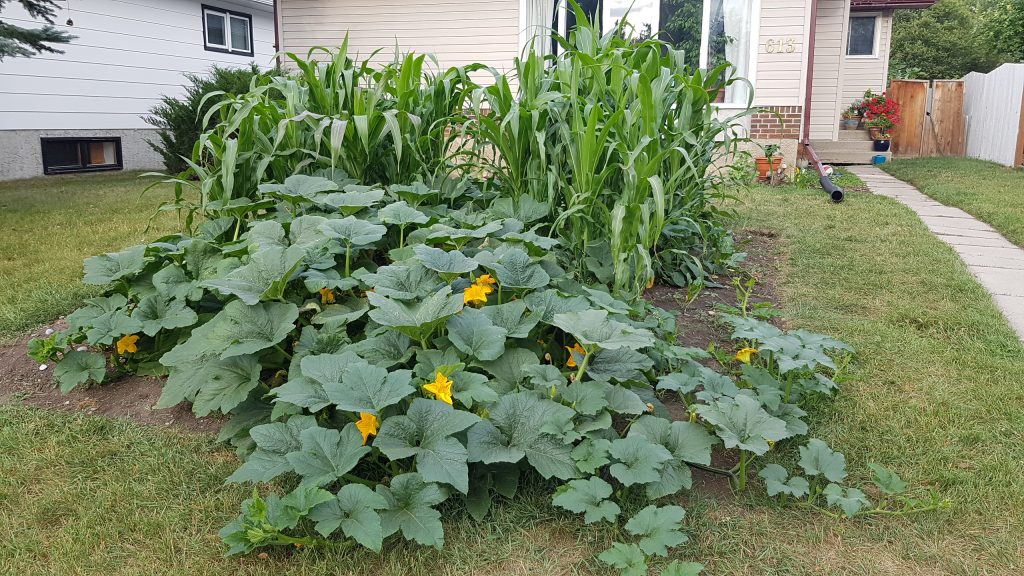
Using organic, regenerative practices
By using organic, regenerative practices, the soil begins to come alive once again. These rushed practices and instant remedies to our properties over the years have stripped most of the life away from the soil. There is endless evidence of this. Herbicides and pesticides are used. Unnecessary fertilizers and enhancers, are sprayed and dusted all over the soil. Killing many beneficial animals, fungi, and bacteria. The survivors work all summer to recover their population. They freeze or go dormant in the winter, and be bombarded again in the spring with another dose.
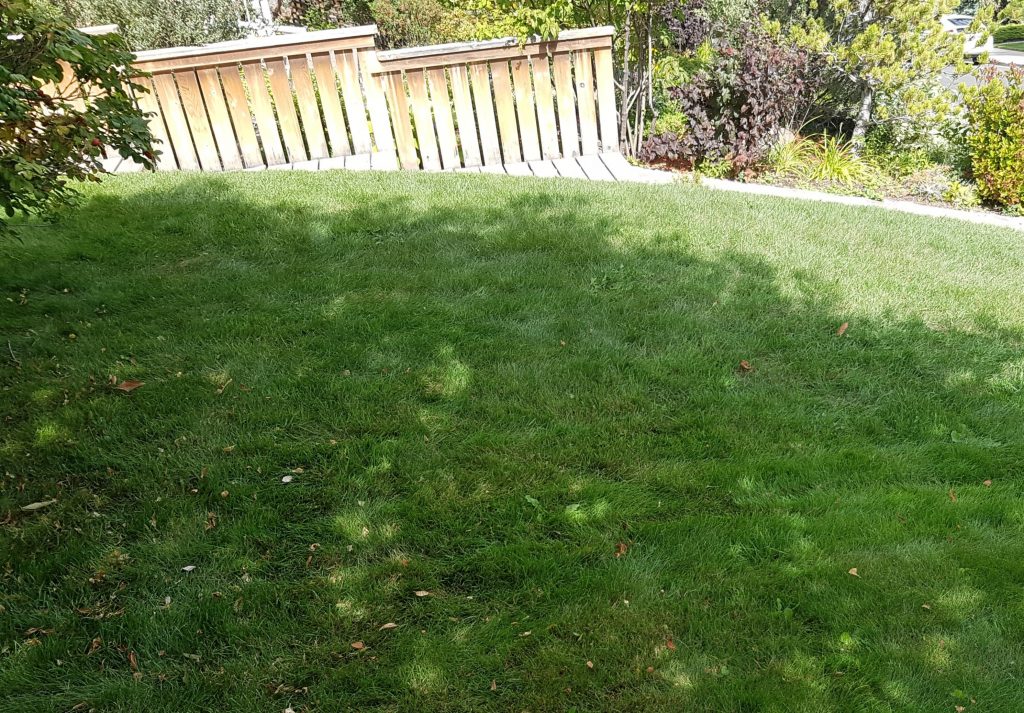
Organic & regenerative gardening teaches that everything on the landscape is there for a reason. Once you realize what that reason is. Altering something in the land to discourage or encourage what we want, will be much less daunting, and deadly. We must then work with the garden to come to some sort of agreement. Give the microbes and fungi the food they need. And then deprive the microbes and fungi that we do not want of their food. Stacking the deck for the beneficial life to win. Then in turn, we get the results we desire, or some form of them.

“Not only are they beautiful, but you can Eat MY Shrubs”

If you like what you see, or found some useful information, please consider donating (securely through Stripe) to help keep the website going and growing. The donation form is at the bottom of this page. Thank you so much!
Make a one-time donation
Make a monthly donation
Make a yearly donation
Choose an amount
Or enter a custom amount
Your contribution is appreciated.
Your contribution is appreciated.
Your contribution is appreciated.
DonateDonate monthlyDonate yearly
I Jill!
I would recommend going to a pet supply store for your air pump. Somewhere that carries larger fish aquariums, and get the largest one they sell. Having 2 or more outlets is better, but I wouldn’t have more than 4. You can buy splitters for this purpose as well. I use the air stones from aquariums for bubbles as well. Basically, the smaller the bubbles the better, but that takes pressure. If there are too many outlets the pump won’t be able to push the air through the stones. I have purchased pumps online specifically for compost tea and found them loud and no more efficient, thats why I recommend a good pet store. I have a couple stones just in the brew and one in the cheesecloth with the compost.
As far as recourses, there are countless webpages and youtube videos out there. Compost tea is part science and part…..witches brew.. for lack of a better term. Once you do it a couple of times, then you’ll just be tweeking your system. If it smells like good compost and has a head on it like a good stout, it’ll be good. If you want to add one thing or another for your specific garden (bacterial or fungal, indoor or outdoor), you can find that info as well. I hope this helps. Good luck and keep me posted! Thanks!
Hi,
I am interested in making compost tea from my vermicomposting worm castings. I am wondering where I can buy the pump to circulate air through the water. Also, could you recommend some resources (books, websites etc.) where I could learn more about making compost tea?
Thanks so much!
Hi Laurie, yes those little fruit flies can be a huge issue. I have battled them a few times. A few things I do: 1. Freeze the food and thaw it out before feeding the worms.
2. Make sure all food is burried both new food and left over from previous feedings.
3. Keep a 4-6″ layer of dry shredded news paper on top to “hide” the compost from the flies. When I feed them I remove the dry paper and mix in the wet paper and then add a bit more dry on top to keep that thickness.
I have a couple other tricks to combat them. Apple cider vinegar works well. Thanks for the question.
I had a worm compost, and it was great….but…how do I stop the “mini” flies?!! It was a real problem.
Eat My Shrubs worked on our yard and did a great job! Our soldier’s course around the gardens is a source of envy amongst our neighbours.